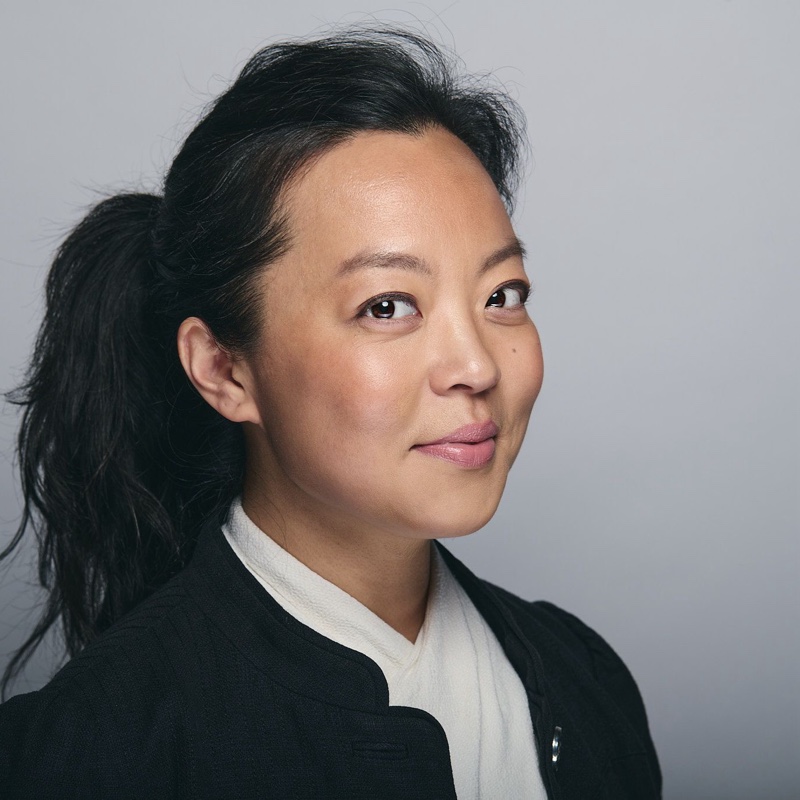
Why are you running for office, and how does your background and experience shape your ability to be an effective public servant, specifically when it comes to serving young people, specifically under the age of 35, in BIPOC, working-class, rural, and immigrant communities of Wisconsin?
As a longtime service worker, a single mom, the proud daughter of immigrants, and a renter, I don’t need to look at polling data to understand how working folks have been left behind in Wisconsin. It’s my real life. It’s likely yours, too: I’ve spoken with thousands of Wisconsinites, while it might look different in different parts of the state, we’re all getting squeezed.
I talk to a lot of new and disaffected voters. In recent elections, underrepresented populations, whether that be our immigrant neighbors or trans kids, were both expected to carry the vote but were also devalued by the candidates who demanded their support. Additionally, Wisconsin’s rural communities have been overlooked for far too long, and my campaign seeks to address the material realities of the challenges so many people face in Wisconsin, in rural areas, cities, and suburbs alike. While life across Wisconsin might look different from place to place, I believe the insistence that we’re irreparably divided across the urban/rural divide is a political convenience wielded to distract us from how we’re being screwed over by a system that won’t fund housing or healthcare but always finds ways to funnel money to billionaires.
What do you believe to be the top concerns and specific challenges facing young people under the age of 35, in communities across Wisconsin? How would you prioritize and advance these priorities once in office?
One of the primary themes I hear as I speak to young people around the state is how uncertain they feel about the future in very real, very scary ways. We’re living in a moment of great upheaval where, for the first time in the modern era, young adults are likely to be less prosperous than their parents’ generation. I started working in kitchens during the Great Recession, and the crisis younger voters face now is worse.
I expand on all of these ideas further below, but my campaign addresses the intersecting crises of housing, rising prices, and inability to find well-paying jobs — compounded by rapid economic shifts looming over us from AI technology.
How do you assess the current state of housing affordability in Wisconsin as it relates to residents under the age of 35? What factors do you believe are contributing to rising housing and rental costs, and what specific policies or actions would you support to make housing more affordable and accessible?
At a fundamental level, housing is expensive because construction is expensive. When left unregulated, the housing market will focus on building expensive housing as cheaply as possible. That’s why one of the policies I’m most proud of on my platform is the establishment of a public bank, which can provide incentives for strictly affordable construction — or, under the state housing authority I want to build, directly finance and construct affordable housing.
When it comes to renters, I’m concerned with enforcement of existing rights. In theory, we all have protections against unsafe housing, but only can exercise those protections if we have the time or resources to pursue them. I’ll work with our state attorney general to build an aggressive tenants’ rights hotline and expand the extremely successful Right to Counsel program, piloted in Milwaukee, to ensure that every Wisconsinite has guaranteed legal representation if they face eviction proceedings.
Additionally, my administration would strengthen regulations on rental units to ensure a high standard of living for all Wisconsinites: I support Repair and Deduct legislation to let renters deal with problems their landlords neglect and deduct those expenditures from their rent.
Climate and environmental decisions made today will have long-term impacts on Wisconsin residents under the age of 35, including energy costs, public health, infrastructure, and economic opportunity. As Wisconsin sees growth in large-scale developments, including data centers and other energy-intensive projects, how would you balance economic development with environmental sustainability and affordability? What specific policies or actions would you support, and how would you measure their impact on young adults?
I am the only candidate in this race who supports a data center moratorium. Big Tech talks a lot of game about data center prosperity — but that’s marketing, not mathematics, and secret deals will harm Wisconsin’s environment and economy. Supporting data center construction is an irresponsible alternative to real development.
My Control-Alt-Delete policy calls for a one-year moratorium to give us time to understand the risk of AI data center construction and develop a plan to mitigate it. If a community decides to approve construction, our administration will insist that it receives no public money, that any new energy construction is clean and paid for by the developer, and that we use it to fund publicly owned clean energy.
I coauthored legislation capping utility bills at 2% of income for energy-burdened households as well as the Climate Accountability Act, which calls for Wisconsin to cut carbon emissions in half by 2030 and achieve carbon neutrality by 2050. Here a public bank can shine: financing large-scale publicly owned clean energy projects to address our power and utility needs and agricultural co-ops to break up Big Agriculture, a huge source of carbon emissions, and instead invest in domestic regenerative agriculture.
How do you assess the current state of employment, education, and workforce training opportunities for Wisconsin residents and what actions would you support to improve outcomes specifically for young adults under the age of 35?
As the ranking Democrat on the Assembly Committee on Education, I’ve seen firsthand how severely underfunded our K-12 education system is. As we go forward, we want to ensure that we set future generations up for success. That’s why I’m calling for full funding of public schools, including special education, through progressive taxation on the ultra-wealthy instead of a fragile dependence on ever-escalating property taxes. Schools are asked to serve many disparate functions — like health clinics and food sources — with dwindling funding. The best way to serve tomorrow’s young adults is to make sure their schools can work.
In the immediate term, though, we’re looking at the workforces of today and tomorrow. I’m the author of a green jobs bill which will help young adults get paid good wages on the green infrastructure, large and small, that keeps communities safe and affordable. I’m also the only candidate to consider how AI might change what work looks like in this country; my Labor Shift package ensures that no company that lays off workers for AI adoption will receive tax breaks and that the state considers AI worker protections when evaluating state contractors.
Rural communities across Wisconsin face unique challenges in accessing education, training, and career opportunities. How do you assess these barriers for residents under the age of 35 in rural communities, and what specific policies would you support to improve access to technical education and workforce pathways?
The problems described above are exacerbated in rural communities, often because regional economic anchors are more precarious.
Education and healthcare are two major workforce centers in rural areas. Both are multifaceted: rural schools and hospitals alike serve as dental clinics, kitchens, and social work hubs; the builders of community infrastructure. Correcting our funding mechanisms means these facilities can continue to serve as stable economic hubs for rural areas. Additionally, I support hospital districts – like school or sanitation districts – empowered to buy and operate healthcare facilities with bonds backed by a public bank.
Some folks wish, or are compelled, to pursue work beyond their hometowns. With little reliable transit or intercity bus services, many residents of rural Wisconsin counties are isolated or have limited access to jobs, healthcare, or education. I support rural transit agencies and intercity bus routes to help people get around the state.
Folks who want to stay closer to home often lack access to high-speed internet — an essential component of technical and job training. I’ve identified that cannabis revenue could completely fund rural broadband rollouts within just a few years — meaning we can get folks out of jail, create a new industry, and reduce the technology gap.
Wisconsin’s statewide safety net - including healthcare access, unemployment benefits, housing assistance, and education or job training opportunities - helps people navigate periods of transition and hardship. How well do these systems meet the needs of Wisconsin residents specifically under the age of 35, what gaps exist, and what specific policies would you support to make these resources more accessible and effective for young adults?
These social programs, while absolutely essential, don’t meet those needs very well! This is largely due to intentional defunding by Republicans in the legislature over the past two decades. We need to reshape the state administration to make sure our safety net can catch all kinds of folks if they slip.
Nobody, except for a layer of multibillion-dollar corporations, is served well by the American healthcare system. While we need a federal Medicare for All program, I’m focused on what the state can do: expanding Medicaid, building a Basic Health Plan, capping prices on corporate extortion and reinvesting the savings in rural and low-income care, and building a robust public option with lower administrative costs and no profit carveouts that uses the state’s aggregate purchasing power to push costs down.
But benefit programs like these aren’t helpful if you can’t enroll in them. I’m focused on making it as easy as possible to access the benefits to which you’re entitled — that means redesigning the eligibility and enrollment processes (expanding the kinds of documents that certify eligibility, for example, and making them reusable across programs) and sending trusted navigators into community spaces to help people apply for the programs they deserve.
What do you believe are the primary drivers of affordability challenges for Wisconsin residents under the age of 35, and what specific policy solutions would you pursue to lower costs and improve economic security for young adults?
Wisconsinites are getting squeezed on all sides: costs go up—housing, healthcare, essentials like groceries or utilities—while wages stay flat.
I support a minimum wage of $20 an hour, indexed to cost of living. I also support investment in green jobs programs to help more people plug in to socially essential, good-paying work. Additionally, I’m the author of a utility rate cap for energy-burdened households, a universal childcare program that guarantees zero-cost childcare for most Wisconsin families and aggressive caps for everyone else.
At the same time, it’s essential to crack down on corporate actors seeking to take advantage of the rest of us. I would prohibit algorithmic ‘desperation’ pricing — the process that makes rideshares more expensive if your battery is low or jacks up flight costs if you have a funeral invite in your email — while I enforce caps on extortionate hospital prices and block insurance claim denials for necessary care.
As governor, what steps would you take to engage young adults under the age of 35, outside of electoral cycles to strengthen year-round participation in community and civic life?
I got my start in politics organizing within the restaurant industry. In 2020, I worked to ensure service workers weren’t left out to dry as the world came to a halt. I’ve carried the lessons I’ve learned from these experiences with me and I’ve been immensely proud to see the grassroots movement that’s built around my campaign.
That said, organizing does not and should not revolve entirely around elections. I’ve been building coalitions in and out of government for years and am deeply committed to ensuring that the infrastructure I build through this campaign far outlasts this bid for Governor. The system as it exists benefits from how isolated people have become. We’ve been conditioned to be hopeless, and the power of community is the most important tool to turn from inaction towards change.
It will be impossible to win the life-and-death fights we find ourselves in without an engaged movement of regular people advocating for these policies at their unions, in their local governments, and with their neighbors and friends. I intend to use the infrastructure we’re building with this campaign — with over 6,000 volunteers and counting — to build durable grassroots organizing across our state.
If Wisconsin residents between the ages of 18 and 35 take away just one message from your responses, what do you hope it is, and why?
We’re living through a really precarious moment. Many young Wisconsinites are unsure what to expect from their lives in the short or long term. The campaign my team is running is predicated on getting every single one of you to expect more of your government. The system we live in has been operating exactly as intended – to squeeze and exploit the working and middle classes to enrich the most powerful among us. We see it when our state hands out billions of dollars in tax breaks to huge corporations or billionaires or when our county governments compete for the attention of data centers. We’re fighting to show that the many can defeat the money. We are fighting for a future for your generation. We are fighting for your grandparents. We are fighting for your children. I want those reading this to believe that a better world is possible. Join us as we fight for it together.