Partisan Primary Aug 11, 2026 Polls open 7AM – 8PM statewide.
General Election Nov 3, 2026 Polls open 7AM – 8PM statewide.
Get Ready MyVote.wi.gov Register, check your status, find your polling place & see your ballot.

Candidates for Governor

We asked the candidates for governor the same ten questions about life for young Wisconsinites — housing, jobs, climate, affordability, and more. These are the responses we've received, published exactly as submitted, in each candidate's own words. We won't tell you what to think — read their answers and decide for yourself. Candidates appear in alphabetical order.

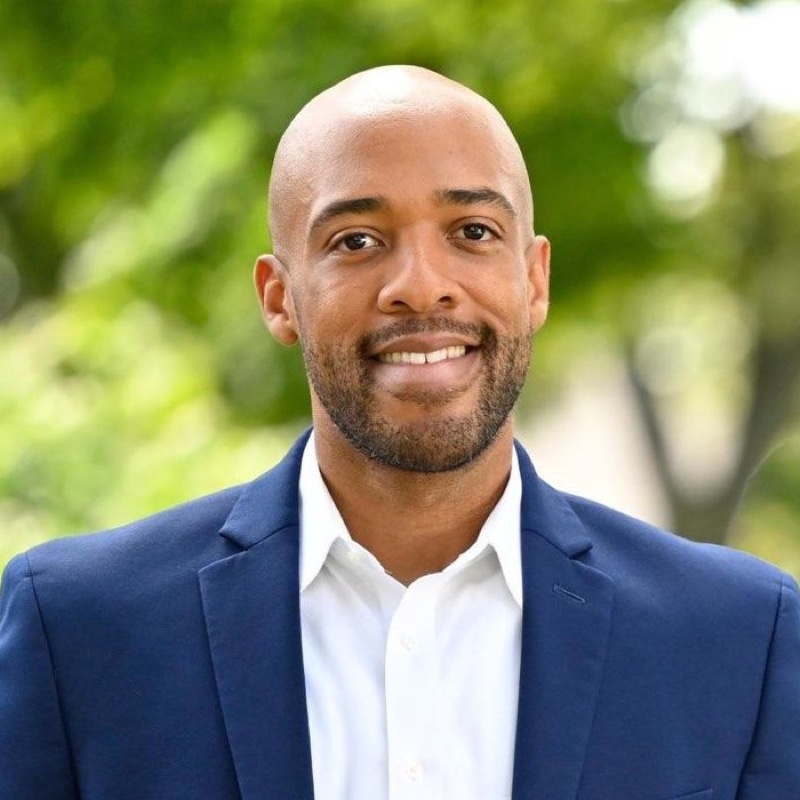
Mandela Barnes

Mandela Barnes

Candidate for Governor of Wisconsin

“I know firsthand how the system is rigged against Wisconsin families. I grew up in the poorest and most incarcerated community in the state. No one will fight harder to take on the billionaires and the status quo.”

Read Their AnswersClose

Responses to the 2026 Wisconsin Young Voter Candidate Questionnaire, published exactly as submitted, in the candidate's own words. Submitted July 2026.

01

Why are you running for office, and how does your background and experience shape your ability to be an effective public servant, specifically when it comes to serving young people, specifically under the age of 35, in BIPOC, working-class, rural, and immigrant communities of Wisconsin?

Wisconsinites are living in a rigged system where the rich get richer while the rest of us get left behind scrambling for crumbs. I know it firsthand. I grew up in the heart of the 53206 zip code—that’s the state’s poorest and most incarcerated zip code in the entire country. I got my start as a community organizer and I’ve spent my entire career fighting to make life better for families across Wisconsin. I got elected at the age of 25 to the state legislature by ousting a Democratic incumbent, and then helped Tony Evers beat Scott Walker to become youngest Lt. Governor in the country. But right now, families are working harder than ever yet they still can’t get ahead—and Donald Trump is doing everything he can to make it worse. That’s why I am running for Governor—to reject the broken Washington Way and get things done the Wisconsin Way. We are going to tax the rich, freeze utility rates, and keep Wisconsin safe.

02

What do you believe to be the top concerns and specific challenges facing young people under the age of 35, in communities across Wisconsin? How would you prioritize and advance these priorities once in office?

The top concern for every single voter is the cost of living. Costs are out of control because we have a president whose sole focus is on making he and his billionaire donors rich off the backs of working people.

As Governor, I’ll do everything I can to bring down costs, especially for young people as it’s harder than ever to get ahead. It starts by taxing the rich and making out-of-state corporations pay their fair share to cut taxes for middle class families. I will fight to finally expand BadgerCare and create a public option to lower healthcare costs.

We will lower utility bills by freezing the rates and take on the greedy utility monopolies by capping their executive pay and banning ratepayer dollars from being used to buy politicians. I will deliver universal childcare to address the broken system that is forcing families to make impossible decisions.

03

How do you assess the current state of housing affordability in Wisconsin as it relates to residents under the age of 35? What factors do you believe are contributing to rising housing and rental costs, and what specific policies or actions would you support to make housing more affordable and accessible?

The cost of housing is shameful. Buying a home is far closer to a dream than a reality for young people in the state of Wisconsin. My administration will make it easier for younger Wisconsinites to buy their first home by empowering the Wisconsin Housing and Economic Development Authority to provide low-interest loans to first time home buyers, and establish a tax credit for those purchasing their first home to bring down the upfront costs. Out-of-state hedge funds have been buying up single-family homes en masse and pricing working families out of their communities. I will take action as governor to stop those Wall Street executives from making housing more expensive and do everything in my power to bring down costs.

For renters, we need additional protections to ensure that landlords aren’t allowed to exploit families with endless rent increases and poor housing quality. I’ll do everything in my power as Governor to bring down costs and ensure that families are able to live in homes with dignity.

04

Climate and environmental decisions made today will have long-term impacts on Wisconsin residents under the age of 35, including energy costs, public health, infrastructure, and economic opportunity. As Wisconsin sees growth in large-scale developments, including data centers and other energy-intensive projects, how would you balance economic development with environmental sustainability and affordability? What specific policies or actions would you support, and how would you measure their impact on young adults?

No one in this race for Governor has more experience than me when it comes to protecting the environment and investing in renewable energy. As chair of the Climate Change Task Force, I helped put together comprehensive proposals for how Wisconsin can lead the way on lowering costs and creating good paying union jobs by investing in renewables. We brought together farmers, industry, and advocates to find common ground. That work helped produce the Clean Power Plan and put our state on a path to leading the nation in renewable energy.

Following my time as Lt. Governor, I founded an organization called Forward Together WI which worked to get over $1 million in clean energy tax credits to schools and low-income homeowners to make energy efficiency upgrades at no-cost. This brought down utility bills, lowered emissions, and created good-paying union jobs.

As Governor, I’ll look to bring back those tax credits at the state level while cutting red tape to invest in the construction of renewable energy across the state.

05

How do you assess the current state of employment, education, and workforce training opportunities for Wisconsin residents and what actions would you support to improve outcomes specifically for young adults under the age of 35?

Wisconsinites are living in a broken system where billionaires get ahead and the rest of us get left behind. We need to end the paycheck-to-paycheck economy and bring about a new era of opportunity.

That starts by fully funding our schools and giving our students the resources they need to succeed. The state legislature has completely failed to meet our state’s constitutional obligation to provide two-thirds funding to our school districts. As Governor, I will ensure our schools are fully funded—including special education—so that every district has what they need to provide every kid in every zip code with a high quality education.

We also need to ensure young people have every opportunity to succeed once they graduate, including having affordable options for college and other training. Wisconsin ranks 44th in the country for state support for our universities. That is shameful. As Governor, I will increase funding for our universities and explore options for eliminating tuition expenses for UW technical and community college programs.

06

Rural communities across Wisconsin face unique challenges in accessing education, training, and career opportunities. How do you assess these barriers for residents under the age of 35 in rural communities, and what specific policies would you support to improve access to technical education and workforce pathways?

Corporations across Wisconsin—in Milwaukee and in rural communities—are shipping good-paying jobs overseas to save money while leaving WI in the dust. I’ll do everything in my power to fight that corporate greed and ensure Wisconsinites in every corner of the state have access to opportunity.

My grandfather moved to Milwaukee after his service in the Navy during WWII and got a job as a union steelworker. He was able to retire with comfort and dignity. But those jobs and the factory he worked at are gone now—shipped overseas so corporate executives could save a few dollars. The same story is playing out in rural Wisconsin where corporate consolidation is killing family farms and small businesses.

We need to end the corporate greed by denying tax breaks to every single out-of-state corporation that ships jobs overseas or lays off workers because of outsourcing to artificial intelligence.

We need good jobs in rural Wisconsin—I will fight to expand apprenticeship programs with unions and trade schools to ensure that when companies invest in Wisconsin, they're employing Wisconsinites.

07

Wisconsin’s statewide safety net - including healthcare access, unemployment benefits, housing assistance, and education or job training opportunities - helps people navigate periods of transition and hardship. How well do these systems meet the needs of Wisconsin residents specifically under the age of 35, what gaps exist, and what specific policies would you support to make these resources more accessible and effective for young adults?

We need to make sure Wisconsinites aren’t falling through the cracks, especially when it comes to healthcare. My day one priority is to expand BadgerCare and provide a public option so everyone has access to affordable care. Expanding BadgerCare would provide insurance to thousands of uninsured Wisconsinites, and a public option would help fill in the gaps for folks who are between jobs. It would also help bring down costs for the whole healthcare system by forcing insurance companies to compete with an efficient system.

But for a BadgerCare public option—as well as unemployment insurance and other social services—does nothing to help people if the system isn’t accessible to Wisconsinites. We need to ensure we are being proactive to stop folks from falling through the gaps and reducing the bureaucracy that prevents vulnerable families from getting the services they deserve.

08

What do you believe are the primary drivers of affordability challenges for Wisconsin residents under the age of 35, and what specific policy solutions would you pursue to lower costs and improve economic security for young adults?

As someone who has been on food stamps, BadgerCare, and laid off, I know firsthand how hard it is as a young person to make ends meet. As Governor, I’ll fight to end the paycheck-to-paycheck economy and create a new era of opportunity.

It starts by taxing the rich. Right now, the wealthy aren’t paying their fair share, and out-of-state corporations and billionaires are exploiting tax loopholes. When I am Governor, I’ll tax the rich, close those loopholes, and use that money to cut taxes for middle class families.

My fight is to bring down costs the Wisconsin Way. Beyond taxing the rich, I will fight for free universal childcare, freezing utility rates, a BadgerCare public option, and use every other tool in the toolbox to lower costs for families.

09

As governor, what steps would you take to engage young adults under the age of 35, outside of electoral cycles to strengthen year-round participation in community and civic life?

There’s nothing more important to our democracy than ensuring every American has the ability to vote and make their voices heard in the halls of power.

As Governor, I will do everything in my power to protect the security and freedom of our democracy and the rights of every Wisconsinite to cast a ballot. I would fight to implement automatic voter registration across Wisconsin. As Trump and MAGA Republicans look at every single tool possible to disenfranchise voters, I will fight to make voting as free and fair as possible by ensuring every Wisconsinite is automatically registered when of legal age and residence so they can cast their ballot without obstruction.

10

If Wisconsin residents between the ages of 18 and 35 take away just one message from your responses, what do you hope it is, and why?

I know firsthand how the system is rigged against Wisconsin families. I grew up in the poorest and most incarcerated community in the state. No one will fight harder to take on the billionaires and the status quo.

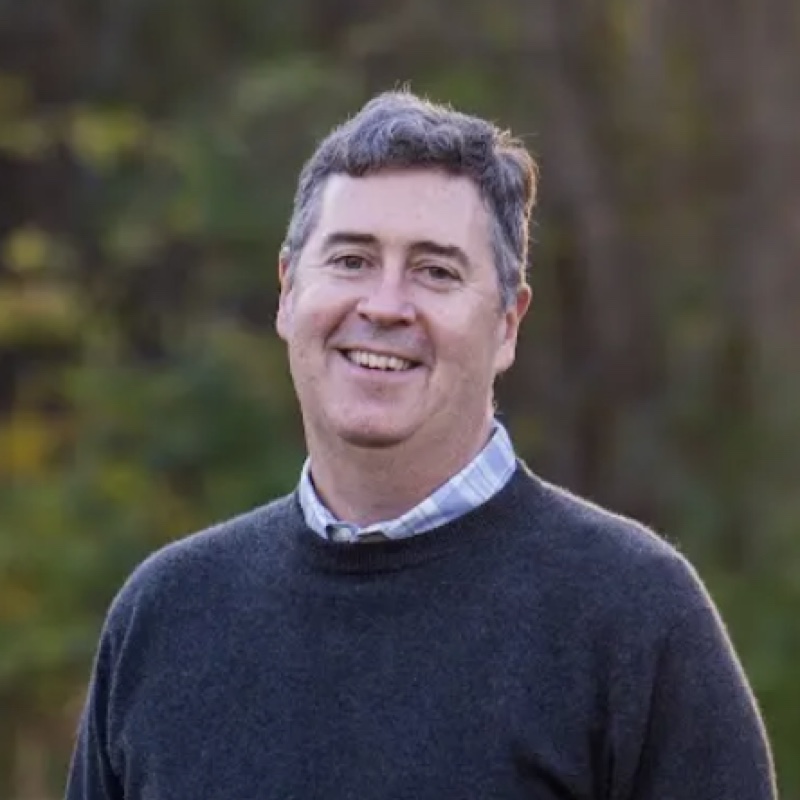
Joel Brennan

Joel Brennan

Candidate for Governor of Wisconsin

“I've spent 30 years solving problems, not just talking about them — and I know how to make Wisconsin work for young people, because I've done it before.”

Read Their AnswersClose

Responses to the 2026 Wisconsin Young Voter Candidate Questionnaire, published exactly as submitted, in the candidate's own words. Submitted July 2026.

01

Why are you running for office, and how does your background and experience shape your ability to be an effective public servant, specifically when it comes to serving young people, specifically under the age of 35, in BIPOC, working-class, rural, and immigrant communities of Wisconsin?

I'm the tenth of eleven kids, and I worked five jobs to get through college. I know what it's like to do math that doesn't add up, and to grow up in a family where every dollar mattered. That's not abstract for me — it's how I was raised.

Over the last 25 years, I've run the largest science museum in the state, expanding STEM access for thousands of kids who never saw themselves as scientists or engineers. I led the Greater Milwaukee Committee, bringing together businesses, nonprofits, and community leaders across one of Wisconsin's most diverse cities. And as Governor Evers' top cabinet official, I helped rebuild Wisconsin's finances after years of mismanagement — turning a fiscal mess into a nearly $4 billion surplus.

None of that happened in a boardroom disconnected from real communities. It happened by sitting across the table from working-class families, rural business owners, immigrant entrepreneurs, and young people trying to build a future here. I know how state government actually works, and how to make it work for people who've been told to wait their turn.

02

What do you believe to be the top concerns and specific challenges facing young people under the age of 35, in communities across Wisconsin? How would you prioritize and advance these priorities once in office?

Housing, healthcare, and good jobs — in that order, based on what I hear from young Wisconsinites everywhere I go. When I was 20, the average age of a first-time home buyer in Wisconsin was 28. 5 years ago, it was 33. Last year, it grew to 40. An entire generation is being told homeownership isn't for them.

I'd prioritize housing first: putting WHEDA's low-interest mortgage programs to work for first-time buyers and baby boomers, cracking down on out-of-state investors buying up our neighborhoods, and pushing the zoning reforms that spur additional construction. Wisconsin is underbuilt by at least 70,000 homes; that must change.

On healthcare, I'd expand Medicaid, something Wisconsin should have done 12 years ago, and guarantee continuous health coverage for every Wisconsin kid regardless of income.

On jobs, I'd expand apprenticeship and technical education pathways so a four-year degree isn't the only route to a good career and remove degree requirements for state jobs where they aren’t necessary. Young people don't need more speeches about their future — they need a state government that builds the housing, expands the healthcare, and opens the job pathways they're asking for.

03

How do you assess the current state of housing affordability in Wisconsin as it relates to residents under the age of 35? What factors do you believe are contributing to rising housing and rental costs, and what specific policies or actions would you support to make housing more affordable and accessible?

Wisconsin is underbuilt by at least 70,000 homes, and we see the challenges that creates all around the state for families, employers, schools and entire communities. 5 years ago, the average first-time homebuyer here was 33 years old. Last year it was 40 — 7 years lost to rising costs and a housing shortage that's been allowed to fester.

A few things are driving this: local zoning rules that block the kind of missing-middle housing (duplexes, ADUs, smaller starter homes) that used to be normal to build; out-of-state investment firms buying up single-family homes and treating Wisconsin neighborhoods like investment portfolios; and a mortgage market that's locked young buyers out even when they're ready to buy.

As governor, I'd put WHEDA's low-interest mortgage programs to work specifically for first-time buyers and baby boomers sitting on larger homes. I would push zoning reforms that let communities build more housing where they want it — local control, not a state mandate — and crack down on out-of-state investors buying up Wisconsin housing stock at scale. I'd also invest in workforce housing near job centers, so young workers aren't priced out of living near where they work.

04

Climate and environmental decisions made today will have long-term impacts on Wisconsin residents under the age of 35, including energy costs, public health, infrastructure, and economic opportunity. As Wisconsin sees growth in large-scale developments, including data centers and other energy-intensive projects, how would you balance economic development with environmental sustainability and affordability? What specific policies or actions would you support, and how would you measure their impact on young adults?

The legislature opened Wisconsin up to the data center industry without setting any rules, and young Wisconsinites are the ones who'll pay higher utility bills for decades if that doesn't change. I'd pause new data center approvals until real guardrails are in place: data centers cover 100% of their energy costs, generate at least 30% of their power on-site, commit 30% of their demand to grid response programs, meet clean energy and water standards, and use Wisconsin union labor to build them. And the era of non-disclosure agreements is over; communities get a real voice before projects are approved.

I'll require through legislation that Wisconsin utilities achieve 100% clean energy by 2050, with 70% as a near-term benchmark. Renewables are now the cheapest resources available, so doing this right actually lowers costs over time.

I'd measure success the way young adults actually experience it: are utility bills going down or up? Are Wisconsin workers getting the new clean energy and data center jobs? Is the grid reliable enough that businesses keep investing here? "Economic development" that shifts costs onto ratepayers is just a bill with someone else's name on it.

05

How do you assess the current state of employment, education, and workforce training opportunities for Wisconsin residents and what actions would you support to improve outcomes specifically for young adults under the age of 35?

Wisconsin has too often treated a four-year degree as the only real path to a good career, and it's failed a lot of young people. I'd expand the state's Youth Apprenticeship program — which already has more pathways than most states — and fund more slots so more students can earn while they learn. I'd remove four-year degree requirements from state government jobs that don't actually need one, opening thousands of positions to workers without a degree, the way other states already have.

I'd expand Career and Technical Education starting earlier, in middle school, and build dual-enrollment programs so students can graduate high school with both a diploma and an industry credential in hand. I'd push for employer incentives that make it easier for businesses to launch their own apprenticeship programs, especially in the trades, healthcare, and manufacturing, where Wisconsin has real workforce shortages right now.

You earn while you learn, you come out with a real skill, and you don't carry the debt. That's not a fallback option — for a lot of young Wisconsinites, it's the smarter path.

06

Rural communities across Wisconsin face unique challenges in accessing education, training, and career opportunities. How do you assess these barriers for residents under the age of 35 in rural communities, and what specific policies would you support to improve access to technical education and workforce pathways?

Rural young adults face a version of this problem that's about distance and access as much as cost. If the nearest technical college campus or apprenticeship program is 45 minutes away, and you don't have reliable transportation or broadband, the opportunity might as well not exist.

I'd start with broadband, treating it like infrastructure, the way we treat roads and water, and making sure the state fills any gap left by federal funding cuts so rural buildout doesn't stall. Reliable internet is critical for remote coursework, dual enrollment, and hybrid apprenticeship programs in rural Wisconsin. We made some measurable progress in the Evers Administration but have a long way to go.

I'd also push to expand satellite technical college programming and mobile training units that bring credentialing programs directly to smaller communities instead of requiring young people to relocate. I'd also expand pre-apprenticeship partnerships between rural high schools and local employers in the trades, agriculture, healthcare, and manufacturing; that way, students could build real skills and relationships before they graduate instead of feeling like they have to leave home to build a career.

07

Wisconsin’s statewide safety net - including healthcare access, unemployment benefits, housing assistance, and education or job training opportunities - helps people navigate periods of transition and hardship. How well do these systems meet the needs of Wisconsin residents specifically under the age of 35, what gaps exist, and what specific policies would you support to make these resources more accessible and effective for young adults?

These systems matter enormously for young adults navigating job changes, family formation, and economic setbacks — and right now, several have real gaps. On healthcare, BadgerCare and Medicaid income thresholds leave too many young workers, especially those piecing together gig or part-time work, without an affordable option. I'd expand Medicaid, establish a public option built off the state employee health plan and guarantee continuous coverage for every Wisconsin kid regardless of family income, which helps young parents directly. The lack of a coherent statewide policy on childcare also hurts young people and growing families, often keeping people out of the workplace entirely.

On housing assistance, I'd expand WHEDA's programs for first-time buyers and invest in workforce housing near job centers. On FoodShare, I'll use every legal and executive tool available to protect it from federal cuts — 700,000 Wisconsinites depend on it, and a lot of them are young workers and families.

08

What do you believe are the primary drivers of affordability challenges for Wisconsin residents under the age of 35, and what specific policy solutions would you pursue to lower costs and improve economic security for young adults?

Wisconsin families — especially young ones just starting out — are getting squeezed from every direction at once: rent and home prices outpacing wages, childcare costing more than a mortgage in a lot of counties, prescription drug and healthcare costs, and utility bills climbing while big new data centers get built on someone else's dime.

My plans tackle these issues directly. On housing: WHEDA support for first-time buyers and baby boomers, zoning reform, and cracking down on out-of-state investors. On childcare: restoring the Child Care Counts program, capping what families pay out of pocket at 7% of income, and building a cost-sharing model between the state, employers, and families. On healthcare: expanding Medicaid and capping prescription drug costs for insulin, inhalers, and EpiPens. On utilities: making data centers pay their own way instead of shifting costs to ratepayers, and expanding weatherization assistance so families use less energy and pay less for it.

None of this is too complicated to be able to fix. It's about making sure the systems the state actually controls are built around what families need, not what's easiest to leave alone.

09

As governor, what steps would you take to engage young adults under the age of 35, outside of electoral cycles to strengthen year-round participation in community and civic life?

Most engagement with young voters happens for about six weeks every two years and then disappears — that's backwards, and it's part of why a lot of young Wisconsinites feel like state government - and our elected officials - only show up when they want something.

As governor, I'd create a standing Young Wisconsinites advisory council — not a ceremonial one, but one with a real seat at the table on the issues that affect this age group most directly: housing, workforce, and higher ed policy — and I'd meet with it regularly, not just at a launch event. I would also ensure that my cabinet and agency leadership gives young Wisconsinites a true seat at the decision table - there is nothing better than offering up true authority to demonstrate how young people will shape our future.

I'd also make state government itself more accessible: holding regular office hours and town halls on campuses and in communities across the state, not just in Madison and Milwaukee, and making sure state agencies are showing up at the events and organizations young people are already part of, rather than expecting young people to come find state government.

10

If Wisconsin residents between the ages of 18 and 35 take away just one message from your responses, what do you hope it is, and why?

My message would be that you have lots to be angry about, because “leaders” have created numerous problems for you to face now and into the future. And you need partners to help fix what is broken. I've spent 30 years solving problems, not just talking about them — and I know how to make Wisconsin work for young people, because I've done it before. I helped rebuild Wisconsin's finances after years of mismanagement, turning a fiscal disaster into a nearly $4 billion surplus. That's proof I know how state government works and how to make it deliver.

Young Wisconsinites don't need another candidate promising a different future. You need a governor who can actually build it — more housing you can afford, healthcare that doesn't bankrupt you, apprenticeships and job pathways that don't require debt, and a state government that shows up for you in the years between elections, not just during them.

I grew up one of eleven kids, working five jobs to get through college. I know what it means to do math that doesn't add up. As governor, I'll make sure Wisconsin works for people building a life here, not just people who already have one.

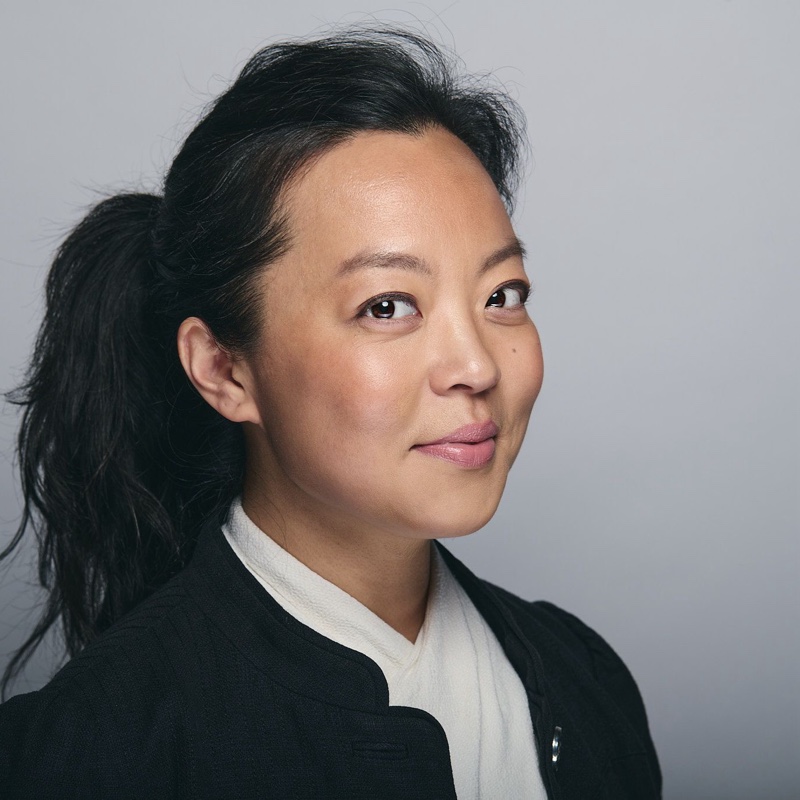
Francesca Hong

Francesca Hong

Candidate for Governor of Wisconsin

“We're fighting to show that the many can defeat the money. … I want those reading this to believe that a better world is possible.”

Read Their AnswersClose

Responses to the 2026 Wisconsin Young Voter Candidate Questionnaire, published exactly as submitted, in the candidate's own words. Submitted July 2026.

01

Why are you running for office, and how does your background and experience shape your ability to be an effective public servant, specifically when it comes to serving young people, specifically under the age of 35, in BIPOC, working-class, rural, and immigrant communities of Wisconsin?

As a longtime service worker, a single mom, the proud daughter of immigrants, and a renter, I don’t need to look at polling data to understand how working folks have been left behind in Wisconsin. It’s my real life. It’s likely yours, too: I’ve spoken with thousands of Wisconsinites, while it might look different in different parts of the state, we’re all getting squeezed.

I talk to a lot of new and disaffected voters. In recent elections, underrepresented populations, whether that be our immigrant neighbors or trans kids, were both expected to carry the vote but were also devalued by the candidates who demanded their support. Additionally, Wisconsin’s rural communities have been overlooked for far too long, and my campaign seeks to address the material realities of the challenges so many people face in Wisconsin, in rural areas, cities, and suburbs alike. While life across Wisconsin might look different from place to place, I believe the insistence that we’re irreparably divided across the urban/rural divide is a political convenience wielded to distract us from how we’re being screwed over by a system that won’t fund housing or healthcare but always finds ways to funnel money to billionaires.

02

What do you believe to be the top concerns and specific challenges facing young people under the age of 35, in communities across Wisconsin? How would you prioritize and advance these priorities once in office?

One of the primary themes I hear as I speak to young people around the state is how uncertain they feel about the future in very real, very scary ways. We’re living in a moment of great upheaval where, for the first time in the modern era, young adults are likely to be less prosperous than their parents’ generation. I started working in kitchens during the Great Recession, and the crisis younger voters face now is worse.

I expand on all of these ideas further below, but my campaign addresses the intersecting crises of housing, rising prices, and inability to find well-paying jobs — compounded by rapid economic shifts looming over us from AI technology.

03

How do you assess the current state of housing affordability in Wisconsin as it relates to residents under the age of 35? What factors do you believe are contributing to rising housing and rental costs, and what specific policies or actions would you support to make housing more affordable and accessible?

At a fundamental level, housing is expensive because construction is expensive. When left unregulated, the housing market will focus on building expensive housing as cheaply as possible. That’s why one of the policies I’m most proud of on my platform is the establishment of a public bank, which can provide incentives for strictly affordable construction — or, under the state housing authority I want to build, directly finance and construct affordable housing.

When it comes to renters, I’m concerned with enforcement of existing rights. In theory, we all have protections against unsafe housing, but only can exercise those protections if we have the time or resources to pursue them. I’ll work with our state attorney general to build an aggressive tenants’ rights hotline and expand the extremely successful Right to Counsel program, piloted in Milwaukee, to ensure that every Wisconsinite has guaranteed legal representation if they face eviction proceedings.

Additionally, my administration would strengthen regulations on rental units to ensure a high standard of living for all Wisconsinites: I support Repair and Deduct legislation to let renters deal with problems their landlords neglect and deduct those expenditures from their rent.

04

Climate and environmental decisions made today will have long-term impacts on Wisconsin residents under the age of 35, including energy costs, public health, infrastructure, and economic opportunity. As Wisconsin sees growth in large-scale developments, including data centers and other energy-intensive projects, how would you balance economic development with environmental sustainability and affordability? What specific policies or actions would you support, and how would you measure their impact on young adults?

I am the only candidate in this race who supports a data center moratorium. Big Tech talks a lot of game about data center prosperity — but that’s marketing, not mathematics, and secret deals will harm Wisconsin’s environment and economy. Supporting data center construction is an irresponsible alternative to real development.

My Control-Alt-Delete policy calls for a one-year moratorium to give us time to understand the risk of AI data center construction and develop a plan to mitigate it. If a community decides to approve construction, our administration will insist that it receives no public money, that any new energy construction is clean and paid for by the developer, and that we use it to fund publicly owned clean energy.

I coauthored legislation capping utility bills at 2% of income for energy-burdened households as well as the Climate Accountability Act, which calls for Wisconsin to cut carbon emissions in half by 2030 and achieve carbon neutrality by 2050. Here a public bank can shine: financing large-scale publicly owned clean energy projects to address our power and utility needs and agricultural co-ops to break up Big Agriculture, a huge source of carbon emissions, and instead invest in domestic regenerative agriculture.

05

How do you assess the current state of employment, education, and workforce training opportunities for Wisconsin residents and what actions would you support to improve outcomes specifically for young adults under the age of 35?

As the ranking Democrat on the Assembly Committee on Education, I’ve seen firsthand how severely underfunded our K-12 education system is. As we go forward, we want to ensure that we set future generations up for success. That’s why I’m calling for full funding of public schools, including special education, through progressive taxation on the ultra-wealthy instead of a fragile dependence on ever-escalating property taxes. Schools are asked to serve many disparate functions — like health clinics and food sources — with dwindling funding. The best way to serve tomorrow’s young adults is to make sure their schools can work.

In the immediate term, though, we’re looking at the workforces of today and tomorrow. I’m the author of a green jobs bill which will help young adults get paid good wages on the green infrastructure, large and small, that keeps communities safe and affordable. I’m also the only candidate to consider how AI might change what work looks like in this country; my Labor Shift package ensures that no company that lays off workers for AI adoption will receive tax breaks and that the state considers AI worker protections when evaluating state contractors.

06

Rural communities across Wisconsin face unique challenges in accessing education, training, and career opportunities. How do you assess these barriers for residents under the age of 35 in rural communities, and what specific policies would you support to improve access to technical education and workforce pathways?

The problems described above are exacerbated in rural communities, often because regional economic anchors are more precarious.

Education and healthcare are two major workforce centers in rural areas. Both are multifaceted: rural schools and hospitals alike serve as dental clinics, kitchens, and social work hubs; the builders of community infrastructure. Correcting our funding mechanisms means these facilities can continue to serve as stable economic hubs for rural areas. Additionally, I support hospital districts – like school or sanitation districts – empowered to buy and operate healthcare facilities with bonds backed by a public bank.

Some folks wish, or are compelled, to pursue work beyond their hometowns. With little reliable transit or intercity bus services, many residents of rural Wisconsin counties are isolated or have limited access to jobs, healthcare, or education. I support rural transit agencies and intercity bus routes to help people get around the state.

Folks who want to stay closer to home often lack access to high-speed internet — an essential component of technical and job training. I’ve identified that cannabis revenue could completely fund rural broadband rollouts within just a few years — meaning we can get folks out of jail, create a new industry, and reduce the technology gap.

07

Wisconsin’s statewide safety net - including healthcare access, unemployment benefits, housing assistance, and education or job training opportunities - helps people navigate periods of transition and hardship. How well do these systems meet the needs of Wisconsin residents specifically under the age of 35, what gaps exist, and what specific policies would you support to make these resources more accessible and effective for young adults?

These social programs, while absolutely essential, don’t meet those needs very well! This is largely due to intentional defunding by Republicans in the legislature over the past two decades. We need to reshape the state administration to make sure our safety net can catch all kinds of folks if they slip.

Nobody, except for a layer of multibillion-dollar corporations, is served well by the American healthcare system. While we need a federal Medicare for All program, I’m focused on what the state can do: expanding Medicaid, building a Basic Health Plan, capping prices on corporate extortion and reinvesting the savings in rural and low-income care, and building a robust public option with lower administrative costs and no profit carveouts that uses the state’s aggregate purchasing power to push costs down.

But benefit programs like these aren’t helpful if you can’t enroll in them. I’m focused on making it as easy as possible to access the benefits to which you’re entitled — that means redesigning the eligibility and enrollment processes (expanding the kinds of documents that certify eligibility, for example, and making them reusable across programs) and sending trusted navigators into community spaces to help people apply for the programs they deserve.

08

What do you believe are the primary drivers of affordability challenges for Wisconsin residents under the age of 35, and what specific policy solutions would you pursue to lower costs and improve economic security for young adults?

Wisconsinites are getting squeezed on all sides: costs go up—housing, healthcare, essentials like groceries or utilities—while wages stay flat.

I support a minimum wage of $20 an hour, indexed to cost of living. I also support investment in green jobs programs to help more people plug in to socially essential, good-paying work. Additionally, I’m the author of a utility rate cap for energy-burdened households, a universal childcare program that guarantees zero-cost childcare for most Wisconsin families and aggressive caps for everyone else.

At the same time, it’s essential to crack down on corporate actors seeking to take advantage of the rest of us. I would prohibit algorithmic ‘desperation’ pricing — the process that makes rideshares more expensive if your battery is low or jacks up flight costs if you have a funeral invite in your email — while I enforce caps on extortionate hospital prices and block insurance claim denials for necessary care.

09

As governor, what steps would you take to engage young adults under the age of 35, outside of electoral cycles to strengthen year-round participation in community and civic life?

I got my start in politics organizing within the restaurant industry. In 2020, I worked to ensure service workers weren’t left out to dry as the world came to a halt. I’ve carried the lessons I’ve learned from these experiences with me and I’ve been immensely proud to see the grassroots movement that’s built around my campaign.

That said, organizing does not and should not revolve entirely around elections. I’ve been building coalitions in and out of government for years and am deeply committed to ensuring that the infrastructure I build through this campaign far outlasts this bid for Governor. The system as it exists benefits from how isolated people have become. We’ve been conditioned to be hopeless, and the power of community is the most important tool to turn from inaction towards change.

It will be impossible to win the life-and-death fights we find ourselves in without an engaged movement of regular people advocating for these policies at their unions, in their local governments, and with their neighbors and friends. I intend to use the infrastructure we’re building with this campaign — with over 6,000 volunteers and counting — to build durable grassroots organizing across our state.

10

If Wisconsin residents between the ages of 18 and 35 take away just one message from your responses, what do you hope it is, and why?

We’re living through a really precarious moment. Many young Wisconsinites are unsure what to expect from their lives in the short or long term. The campaign my team is running is predicated on getting every single one of you to expect more of your government. The system we live in has been operating exactly as intended – to squeeze and exploit the working and middle classes to enrich the most powerful among us. We see it when our state hands out billions of dollars in tax breaks to huge corporations or billionaires or when our county governments compete for the attention of data centers. We’re fighting to show that the many can defeat the money. We are fighting for a future for your generation. We are fighting for your grandparents. We are fighting for your children. I want those reading this to believe that a better world is possible. Join us as we fight for it together.

Kelda Roys

Kelda Roys

Candidate for Governor of Wisconsin

“When I talk about using democracy to deliver higher wages, lower costs, and more freedom, I speak from experience.”

Read Their AnswersClose

Responses to the 2026 Wisconsin Young Voter Candidate Questionnaire, published exactly as submitted, in the candidate's own words. Submitted July 2026.

01

Why are you running for office, and how does your background and experience shape your ability to be an effective public servant, specifically when it comes to serving young people, specifically under the age of 35, in BIPOC, working-class, rural, and immigrant communities of Wisconsin?

I am a progressive fighter who knows how to use power to make people’s lives better. I’ve spent my life working to elect Democrats statewide and turn progressive ideas into law in the toughest political environments. Born in Marshfield, I spent my early years in rural Taylor County north of Highway 29, where my family lived in a one-room schoolhouse and I had a pet goat.

As a state senator on the state's budget-writing committee, I have seen firsthand how state government does and does not meet the needs of people throughout the state. For too long, Republicans in the legislature have been prioritizing tax cuts for the wealthy instead of prioritizing helping people gain access to the middle class. As governor, I have plans to protect Wisconsinites from the harms of the Trump regime and deliver an economy that serves the needs of everyone in the state.

02

What do you believe to be the top concerns and specific challenges facing young people under the age of 35, in communities across Wisconsin? How would you prioritize and advance these priorities once in office?

Young people are discouraged by the lack of action from their democracy. Our government has been incredibly non-responsive and dysfunctional for 15 years. My goal as governor is to remind people of the awesome power of our democracy by delivering higher wages, lower costs, and the freedom to thrive in every community across the state. We do that by making sure our public schools have the resources they need, every kid can trust the water coming from the faucet in their homes, and we are prioritizing evidence-based measures for public safety. When we do those things, we will be creating a state where people want to start their careers and their families.

03

How do you assess the current state of housing affordability in Wisconsin as it relates to residents under the age of 35? What factors do you believe are contributing to rising housing and rental costs, and what specific policies or actions would you support to make housing more affordable and accessible?

As governor, I will continue my legislative work to expand housing supply and increase affordability and housing security. Building more housing, and the right mix, is essential to bringing down the cost. These are my four main strategies:

Zoning reform to make it easier and faster to build diverse housing types, from ADUs to cottage courts, duplexes, and townhomes. Predictable zoning laws allow streamlined approval of compliant projects, lowering the cost of housing. In real estate, time is money.

Increase housing security for renters. I’ll restore tenant protections after years of Republican attacks on landlord-tenant laws. These rollbacks put many renters in an even more precarious situation and make it harder to ensure safe, habitable rental housing. To prevent homelessness, I’ll enact a right to counsel in housing court and fund emergency housing assistance, because preventing evictions is always cheaper and preferable than rehoming someone after housing loss. I have also taken aim at some of the most abusive practices, such as AI-driven price-fixing schemes that enable landlords to artificially inflate rent.

Streamline WHEDA’s affordable housing tax credits to provide greater approval certainty and speed, so more projects are built more quickly. Many tax credit programs have requirements so specific and financing stacks so complex that many worthy projects don’t get built. Rather than creating many small programs, each with separate scoring and applications, we should make it faster and easier for projects to know right away if they will receive funding. We should also allocate a significant portion of tax credits to keeping expiring affordable units affordable. It’s less expensive to retain affordability of an existing unit than to buy down the cost of new development so it’s affordable.

Focus on missing owner-occupied housing. My small business is focused on helping make it easier and more affordable for Wisconsinites to buy and sell homes, but it’s no longer common for people to be able to buy a home in their 20s. The state should make it easier and less risky for developers to build better affordable owner-occupied housing – condos, cooperatives, cohousing, land trusts, and smaller single family homes. This helps first time buyers on the front end to get a market foothold and baby boomers on the back end who are ready to downsize but need a place to park their equity – making the overall housing market more liquid.

04

Climate and environmental decisions made today will have long-term impacts on Wisconsin residents under the age of 35, including energy costs, public health, infrastructure, and economic opportunity. As Wisconsin sees growth in large-scale developments, including data centers and other energy-intensive projects, how would you balance economic development with environmental sustainability and affordability? What specific policies or actions would you support, and how would you measure their impact on young adults?

Big Tech is steamrolling communities, damaging our environment, and using massive energy. I have the strongest plan to stop unregulated development of data centers immediately and put local communities in the strongest bargaining position, including establishing an expert public negotiating team to support local communities who pursue data centers. My plan includes day one directives to the PSC and DNR to enforce existing protections, while passing stringent new state laws to require transparency, meaningful local control, environmental and worker protections, and absolute protections for ratepayers. I’ll end data center subsidies, charge them higher rates, and require upfront payments of hundreds of millions of dollars to stop speculators and ensure taxpayers aren’t hurt if a project goes bust. That money will capitalize a public infrastructure bank that will give no-interest loans to schools and municipalities to make clean energy upgrades like geothermal HVAC and solar panels, to help us meet our 100% renewable energy by 2050 goal. But we can’t just regulate the buildings, we must regulate the products, too. That’s why I’ve authored more bills than any legislator in the state to regulate AI, social media, crypto, and big data.

05

How do you assess the current state of employment, education, and workforce training opportunities for Wisconsin residents and what actions would you support to improve outcomes specifically for young adults under the age of 35?

For decades, Wisconsinites’ productivity has gone up and up, but the gains – the profits – have gone almost entirely to the people at the very top. That means that as young people enter the workforce, workers and the middle class can’t really afford the basics of a “good” life - to buy a house, have kids, save for college and retirement, take a vacation – even though we are working harder and longer than ever. As governor, I will use my power to empower everyday Wisconsinites to thrive and allow young people to build the life they want. Higher wages, lower costs, and more freedom. Here’s what that looks like specifically:

Raise the minimum wage to $15/hr immediately and $20 by 2030, while ending the tipped minimum wage.

Restore collective bargaining rights for all workers and enable more worker solidarity

Aggressively regulate big tech, AI, and data centers, to protect our environment, our economy, our privacy, and our humanity.

Make college affordable by expanding Bucky’s Tuition Promise statewide, using a last-dollar tuition credit program to make the first 2 years of college free, and expanding student loan forgiveness for graduates serving in high needs areas

Make housing more affordable by restoring tenants’ rights, building more condos and other affordable entry level homes for purchase, zoning changes to enable more density and more affordable housing types to be built, and more efficient use of our current tax credit programs for affordable housing.

All of these things work together to create an environment where young people want to start their adult lives in Wisconsin and then they have the support to build a better life here.

06

Rural communities across Wisconsin face unique challenges in accessing education, training, and career opportunities. How do you assess these barriers for residents under the age of 35 in rural communities, and what specific policies would you support to improve access to technical education and workforce pathways?

Proper state funding of public schools, and fixing the funding formula, will make education more equitable, rather than dependent on neighborhood wealth. In elementary school, more funding yields smaller class sizes, more support professionals, and better literacy screening and tutoring – all of which give every child a strong foundation for reading and learning. Additional funding for public higher education is important too, including my last-dollar tuition credit program to make the first two years of college free, whether at a UW campus or a technical college. Paying professional students during their practicums, just as trade apprentices are, will enable more students from low-income backgrounds to become social workers, teachers, and nurses, and diversify our workforce in these high-impact careers.

07

Wisconsin’s statewide safety net - including healthcare access, unemployment benefits, housing assistance, and education or job training opportunities - helps people navigate periods of transition and hardship. How well do these systems meet the needs of Wisconsin residents specifically under the age of 35, what gaps exist, and what specific policies would you support to make these resources more accessible and effective for young adults?

Our statewide safety net needs improvement, there's no doubt about it. We need to stop tying economic security solely to jobs. We should have more assistance for people to pay for housing and improve the unemployment system so to reduce the lag time for people to get much needed money. Again, I would like to refer to my healthcare plan as a good example of how I will approach these issues. My healthcare plan protects Wisconsinites from losing great coverage when they switch jobs or lose a job, and I will work with the legislature to make sure that coverage is affordable when an individual doesn't have the means to pay the premium. The healthcare piece is critical to maintaining economic security, and that's why I will continue to emphasize its importance.

08

What do you believe are the primary drivers of affordability challenges for Wisconsin residents under the age of 35, and what specific policy solutions would you pursue to lower costs and improve economic security for young adults?

To address the affordability crisis, I have detailed plans to raise the minimum wage, restore workers’ rights, and lower costs for childcare, housing, groceries, utilities, and prescription drugs at keldaroys.com.

But healthcare is the most urgent problem facing Wisconsinites and an example that demonstrates my approach to lowering costs. I have a bold, Trump-proof plan to expand affordable coverage by allowing any Wisconsinite or business to buy into the same health insurance state employees have. This will enable everyone – school districts, manufacturing companies, independent contractors – to buy high quality, competitively priced, often nonprofit coverage, at no cost to taxpayers. Small businesses can start, compete, and grow. Plus, by covering more people and expanding the pool, we will reduce uncompensated care, lower premium costs for everyone including taxpayers, and keep rural clinics and hospitals open. Roys also has committed to work with the legislature to subsidize lower income Wisconsinites who are not poor enough for Medicaid but cannot otherwise afford to buy into the state plan or another ACA plan.

09

As governor, what steps would you take to engage young adults under the age of 35, outside of electoral cycles to strengthen year-round participation in community and civic life?

We need to proactively bring more people into the democratic process. Often, young people are engaged during a campaign cycle and then communication stops during the actual government process. We need to make participation in democracy a year-round activity.

10

If Wisconsin residents between the ages of 18 and 35 take away just one message from your responses, what do you hope it is, and why?

I am the candidate with the proven ability to deliver progressive change in any legislative environment. When I talk about using democracy to deliver higher wages, lower costs, and more freedom, I speak from experience. I know what our democracy is capable of, but we need a governor who has the skill necessary to be effective.

Don't wait.
Get vote-ready now.

Two minutes on MyVote.wi.gov and you're set: register or check your registration, find your polling place, request an absentee ballot, and see exactly what will be on your ballot.

MyVote.wi.gov

Every campus. Every community. One Wisconsin.

How to Vote in Wisconsin

Wisconsin makes voting easier than most states — you can even register at the polls on Election Day. Here's everything you need for the August 11 primary and the November 3 general, straight from state rules.

01

Check you're eligible

You can vote in Wisconsin if you are:

  • A U.S. citizen
  • 18 or older on Election Day (17-year-olds can't vote in the primary even if they turn 18 by November)
  • A resident of your Wisconsin address for at least 28 days before the election
  • Not currently serving any part of a felony sentence — once you're fully "off paper" (including probation, parole, or extended supervision), your voting rights are restored. Just re-register.

College students: you can register at your campus address OR your home address — one or the other, not both.

02

Register — 4 ways

  • Online at MyVote.wi.gov — needs a current WI driver's license or state ID that matches your DMV record
  • By mail — form postmarked 20 days before the election, with a copy of your proof of residence
  • In person at your municipal clerk's office — up until 5PM the Friday before the election
  • At the polls on Election Day — Wisconsin has same-day registration. Bring proof of residence and you're in.
Online / Mail · Primary Wed, Jul 22
Online / Mail · General Wed, Oct 14
At the Clerk · Primary Fri, Aug 7 · 5PM
At the Clerk · General Fri, Oct 30 · 5PM
Register Now
03

Proof of residence

Registering by mail, at the clerk, or at the polls? You need one document with your name and current address. Electronic copies on your phone count. Any of these works:

  • WI driver's license or state ID card
  • Utility bill (gas, electric, water, phone, internet) for a period starting within the last 90 days
  • Bank, credit union, or credit card statement
  • Paycheck or pay stub
  • Residential lease (not valid for mail registration)
  • Any other official government document or letter
  • Students: campus housing letter or enrollment doc with your address, or a certified campus housing list at the polls
04

Bring a photo ID

Wisconsin requires a photo ID to get a ballot. The address on your ID does not need to be current. Acceptable IDs:

  • WI driver's license or WI state ID card — unexpired, or expired after Nov. 5, 2024
  • U.S. passport (book or card) — same expiration rule
  • Military or veteran's ID card
  • Tribal ID from a federally recognized Wisconsin tribe
  • Certificate of naturalization issued within the last 2 years
  • WI college/university student ID with your signature, an issue date, and an expiration no more than 2 years after issue — plus proof of current enrollment

No ID? The DMV issues FREE state ID cards for voting — ask for the ID Petition Process if you're missing documents. VoteRiders.org can help too.

05

Vote early or by mail

By mail (absentee): request your ballot at MyVote.wi.gov by 5PM the Thursday before the election. Upload a photo of your ID if it's your first time. Vote with a witness present — they sign the envelope and list their address — then get it back to your clerk by 8PM on Election Day. Track it on MyVote.

Early in person: vote an absentee ballot at your clerk's office (or satellite sites) starting as early as two weeks before the election. Dates and hours vary by city — check with your municipal clerk. Bring your photo ID.

Mail Request · Primary Thu, Aug 6 · 5PM
Mail Request · General Thu, Oct 29 · 5PM
Early Voting · Primary ~Jul 28 – Aug 9
Early Voting · General ~Oct 20 – Nov 1
Request Absentee Ballot
06

Vote on Election Day

Polls are open 7AM to 8PM statewide. If you're in line by 8PM, you get to vote — stay in line.

  • Find your polling place at MyVote.wi.gov — it can change, so double-check
  • Bring your photo ID (and proof of residence if you still need to register)
  • The August primary is open — Wisconsin has no party registration. You'll get every party's primary on one ballot, but you can only vote in ONE party's column.
  • Wisconsin law gives you up to 3 hours of unpaid leave from work to vote (tell your employer before Election Day), and every polling place must have an accessible voting machine.

Problems at the polls? Election Protection hotline: 866-OUR-VOTE (866-687-8683). Wisconsin Elections Commission voter help: 866-VOTE-WIS.

Find Your Polling Place

Key Dates

Partisan Primary

Aug 11

Tuesday · Polls 7AM – 8PM

Jul 22 Registration deadline — online & by mail (postmarked)
~Jul 28 Early in-person voting can begin — dates & hours vary by municipality
Aug 6 Absentee ballot request deadline — 5PM at MyVote.wi.gov
Aug 7 Last day to register in person at your municipal clerk — 5PM
Aug 11 ELECTION DAY — vote 7AM–8PM · same-day registration at the polls · absentee ballots due back by 8PM

General Election

Nov 3

Tuesday · Polls 7AM – 8PM

Oct 14 Registration deadline — online & by mail (postmarked)
~Oct 20 Early in-person voting can begin — dates & hours vary by municipality
Oct 29 Absentee ballot request deadline — 5PM at MyVote.wi.gov
Oct 30 Last day to register in person at your municipal clerk — 5PM
Nov 3 ELECTION DAY — vote 7AM–8PM · same-day registration at the polls · absentee ballots due back by 8PM